

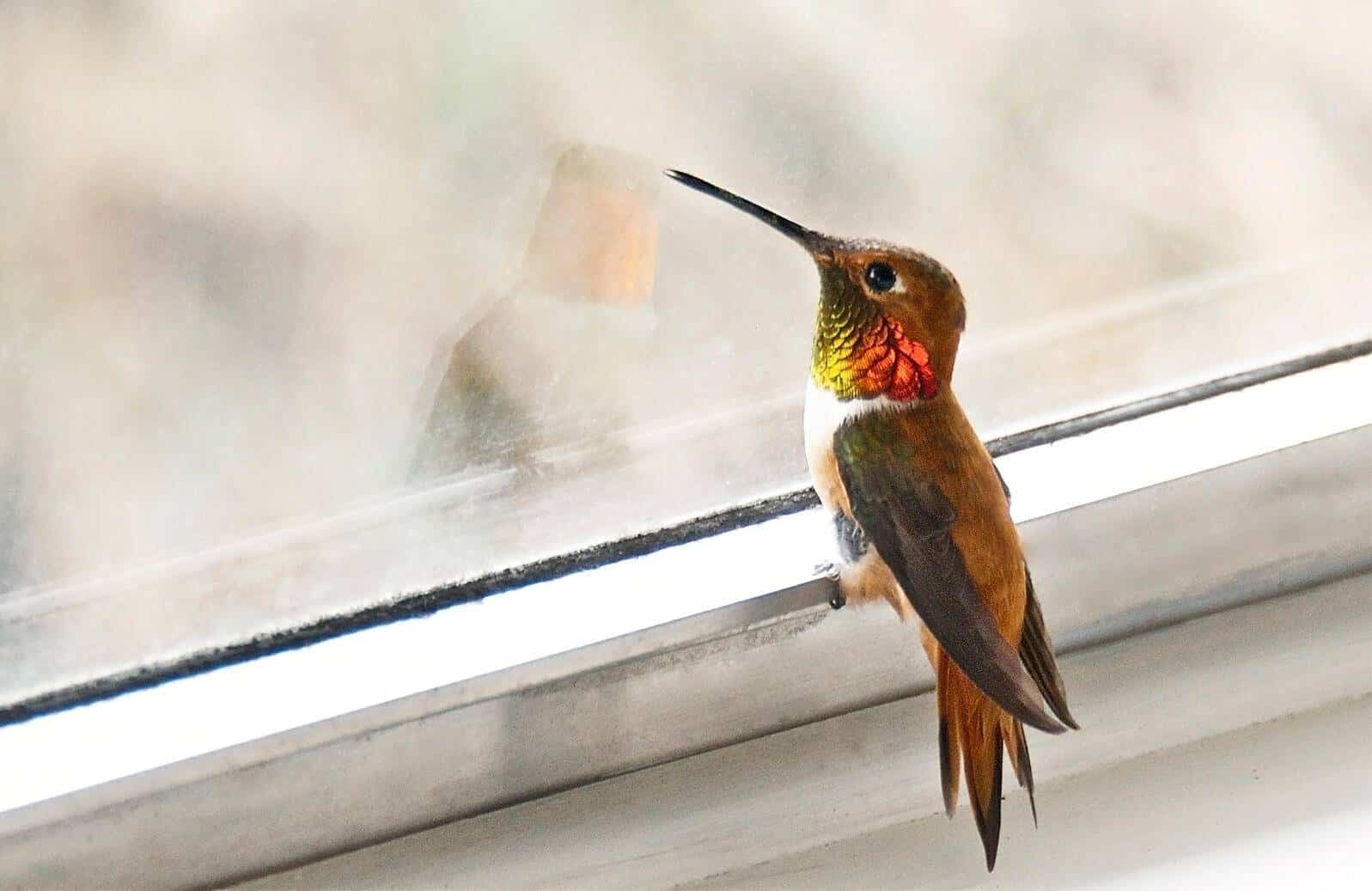
 If it is a pet bird, you should try to find a way to get it out. You can use a long stick and a piece of cloth. You can also use a tool that can reach inside the tree or the building. You can use a hammer or a screwdriver to pry open the trap. If you are using a hammer, you should be careful. You don't want to hit the bird. You can also use a screwdriver. You should use the screwdriver carefully. If you are using a screwdriver, you should be careful not to hit the bird with it.
You should try to put the bird in a safe place. You can do this by putting it in a box. If you don't have a box, you can put the bird in a bucket or a bag. If you put the bird in a bucket or a bag, you should cover it. You can cover it with a piece of cloth or paper. You should also make sure that you don't leave the bird in the bucket or bag for too long. You may lose the bird if you do that. You should also make sure that you don't drop the bird.
In conclusion, To rescue a trapped bird, you must first identify the type of bird and the cause of its distress. The best way to do this is to check the bird’s beak, feet, and feathers. If it’s a young bird, check its eyes. If the bird is a parrot, you can also check the bird’s head, beak, and feet. If the bird is a dove, you can also check its wings and tail. You can also try to lift the bird and examine its chest and back. If the bird is a pigeon, you can also check its beak and feathers.
If it is a pet bird, you should try to find a way to get it out. You can use a long stick and a piece of cloth. You can also use a tool that can reach inside the tree or the building. You can use a hammer or a screwdriver to pry open the trap. If you are using a hammer, you should be careful. You don't want to hit the bird. You can also use a screwdriver. You should use the screwdriver carefully. If you are using a screwdriver, you should be careful not to hit the bird with it.
You should try to put the bird in a safe place. You can do this by putting it in a box. If you don't have a box, you can put the bird in a bucket or a bag. If you put the bird in a bucket or a bag, you should cover it. You can cover it with a piece of cloth or paper. You should also make sure that you don't leave the bird in the bucket or bag for too long. You may lose the bird if you do that. You should also make sure that you don't drop the bird.
In conclusion, To rescue a trapped bird, you must first identify the type of bird and the cause of its distress. The best way to do this is to check the bird’s beak, feet, and feathers. If it’s a young bird, check its eyes. If the bird is a parrot, you can also check the bird’s head, beak, and feet. If the bird is a dove, you can also check its wings and tail. You can also try to lift the bird and examine its chest and back. If the bird is a pigeon, you can also check its beak and feathers.
If it is a pet bird, you should try to find a way to get it out. You can use a long stick and a piece of cloth. You can also use a tool that can reach inside the tree or the building. You can use a hammer or a screwdriver to pry open the trap. If you are using a hammer, you should be careful. You don't want to hit the bird. You can also use a screwdriver. You should use the screwdriver carefully. If you are using a screwdriver, you should be careful not to hit the bird with it.
You should try to put the bird in a safe place. You can do this by putting it in a box. If you don't have a box, you can put the bird in a bucket or a bag. If you put the bird in a bucket or a bag, you should cover it. You can cover it with a piece of cloth or paper. You should also make sure that you don't leave the bird in the bucket or bag for too long. You may lose the bird if you do that. You should also make sure that you don't drop the bird.
In conclusion, To rescue a trapped bird, you must first identify the type of bird and the cause of its distress. The best way to do this is to check the bird’s beak, feet, and feathers. If it’s a young bird, check its eyes. If the bird is a parrot, you can also check the bird’s head, beak, and feet. If the bird is a dove, you can also check its wings and tail. You can also try to lift the bird and examine its chest and back. If the bird is a pigeon, you can also check its beak and feathers.
If it is a pet bird, you should try to find a way to get it out. You can use a long stick and a piece of cloth. You can also use a tool that can reach inside the tree or the building. You can use a hammer or a screwdriver to pry open the trap. If you are using a hammer, you should be careful. You don't want to hit the bird. You can also use a screwdriver. You should use the screwdriver carefully. If you are using a screwdriver, you should be careful not to hit the bird with it.
You should try to put the bird in a safe place. You can do this by putting it in a box. If you don't have a box, you can put the bird in a bucket or a bag. If you put the bird in a bucket or a bag, you should cover it. You can cover it with a piece of cloth or paper. You should also make sure that you don't leave the bird in the bucket or bag for too long. You may lose the bird if you do that. You should also make sure that you don't drop the bird.
In conclusion, To rescue a trapped bird, you must first identify the type of bird and the cause of its distress. The best way to do this is to check the bird’s beak, feet, and feathers. If it’s a young bird, check its eyes. If the bird is a parrot, you can also check the bird’s head, beak, and feet. If the bird is a dove, you can also check its wings and tail. You can also try to lift the bird and examine its chest and back. If the bird is a pigeon, you can also check its beak and feathers.


