

-
Table of Contents
Introduction
Birds Uncovered: A Comprehensive Exploration of Bird Species and Their Unique Traits is a book that delves into the fascinating world of birds. It provides an in-depth look at various bird species, their physical and behavioral characteristics, and their habitats. The book is a great resource for bird enthusiasts, nature lovers, and anyone interested in learning more about these amazing creatures.Bird Identification: Tips and Tricks for Identifying Different Bird Species
Birds are fascinating creatures that come in all shapes, sizes, and colors. From the tiny hummingbird to the majestic eagle, there are over 10,000 species of birds in the world. Identifying different bird species can be a challenging task, but with a few tips and tricks, it can become an enjoyable and rewarding experience. The first step in identifying a bird is to observe its physical characteristics. The size, shape, and color of a bird can provide valuable clues about its species. For example, a small bird with a round body and a short beak is likely a finch, while a large bird with a hooked beak and sharp talons is likely a bird of prey. Another important aspect to consider is the bird's habitat. Different bird species have adapted to different environments, and their physical characteristics reflect this. For example, birds that live near water, such as ducks and herons, have webbed feet that help them swim, while birds that live in trees, such as woodpeckers and owls, have strong claws that help them climb. Birds also have unique behaviors that can help with identification. For example, some birds have distinctive calls or songs that can be used to identify them. The American robin, for example, has a cheerful, melodic song that is easy to recognize. Other birds, such as the woodpecker, have a distinctive drumming sound that they use to communicate with other birds. One of the best ways to learn about different bird species is to observe them in their natural habitat. Birdwatching is a popular hobby that involves observing birds in the wild and identifying them based on their physical characteristics, behavior, and habitat. Birdwatchers often use binoculars and field guides to help them identify different bird species. In addition to observing birds in the wild, there are also many resources available for learning about different bird species. Field guides, such as the Peterson Field Guide to Birds of North America, provide detailed information about different bird species, including their physical characteristics, behavior, and habitat. Online resources, such as the Cornell Lab of Ornithology's All About Birds website, provide photos, videos, and audio recordings of different bird species to help with identification. Identifying different bird species can be a challenging task, but it is also a rewarding one. By learning about different bird species and their unique traits, we can gain a greater appreciation for the diversity of life on our planet. Whether you are a seasoned birdwatcher or a beginner, there is always something new to discover about these fascinating creatures. So grab your binoculars and field guide, and start exploring the world of birds today!Bird Watching Tips: How to Get the Most Out of Your Bird Watching Experience
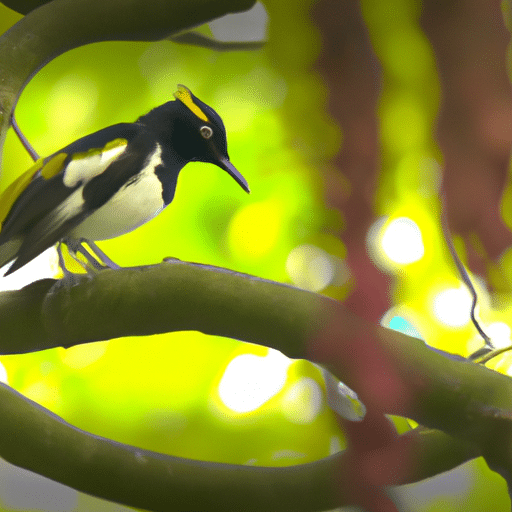 Bird watching is a fascinating hobby that allows you to connect with nature and appreciate the beauty of the world around us. Whether you're a seasoned bird watcher or just starting out, there are a few tips and tricks that can help you get the most out of your bird watching experience.
First and foremost, it's important to do your research. Before heading out to a new location, take some time to learn about the types of birds that are commonly found in the area. This will help you identify the birds you see and appreciate their unique traits and behaviors.
Another important tip is to invest in a good pair of binoculars. A quality pair of binoculars can make all the difference when it comes to spotting birds in their natural habitat. Look for binoculars with a magnification of at least 8x and a wide field of view for optimal viewing.
When you're out bird watching, it's important to be patient and observant. Birds can be elusive creatures, so it may take some time to spot them. Take your time and keep your eyes and ears open for any signs of bird activity.
One of the best ways to attract birds to your location is by providing food and water. Setting up a bird feeder or bird bath in your backyard can be a great way to attract a variety of bird species. Just be sure to keep the feeder and bath clean and well-maintained to prevent the spread of disease.
If you're interested in learning more about bird watching, consider joining a local bird watching club or group. These groups often organize bird watching trips and events, and can provide valuable resources and information for bird watchers of all levels.
Finally, don't forget to take the time to appreciate the beauty of the birds you see. Each species has its own unique traits and behaviors, and observing them in their natural habitat can be a truly awe-inspiring experience. Take the time to appreciate the beauty of the world around us, and you'll be rewarded with a deeper connection to nature and a greater appreciation for the incredible diversity of bird species that call our planet home.
In conclusion, bird watching is a wonderful hobby that can provide a lifetime of enjoyment and appreciation for the natural world. By doing your research, investing in quality equipment, being patient and observant, providing food and water, and joining a local bird watching group, you can get the most out of your bird watching experience and develop a deeper connection to the incredible diversity of bird species that inhabit our planet. So grab your binoculars and head out into the great outdoors – you never know what amazing bird species you might discover!
Bird watching is a fascinating hobby that allows you to connect with nature and appreciate the beauty of the world around us. Whether you're a seasoned bird watcher or just starting out, there are a few tips and tricks that can help you get the most out of your bird watching experience.
First and foremost, it's important to do your research. Before heading out to a new location, take some time to learn about the types of birds that are commonly found in the area. This will help you identify the birds you see and appreciate their unique traits and behaviors.
Another important tip is to invest in a good pair of binoculars. A quality pair of binoculars can make all the difference when it comes to spotting birds in their natural habitat. Look for binoculars with a magnification of at least 8x and a wide field of view for optimal viewing.
When you're out bird watching, it's important to be patient and observant. Birds can be elusive creatures, so it may take some time to spot them. Take your time and keep your eyes and ears open for any signs of bird activity.
One of the best ways to attract birds to your location is by providing food and water. Setting up a bird feeder or bird bath in your backyard can be a great way to attract a variety of bird species. Just be sure to keep the feeder and bath clean and well-maintained to prevent the spread of disease.
If you're interested in learning more about bird watching, consider joining a local bird watching club or group. These groups often organize bird watching trips and events, and can provide valuable resources and information for bird watchers of all levels.
Finally, don't forget to take the time to appreciate the beauty of the birds you see. Each species has its own unique traits and behaviors, and observing them in their natural habitat can be a truly awe-inspiring experience. Take the time to appreciate the beauty of the world around us, and you'll be rewarded with a deeper connection to nature and a greater appreciation for the incredible diversity of bird species that call our planet home.
In conclusion, bird watching is a wonderful hobby that can provide a lifetime of enjoyment and appreciation for the natural world. By doing your research, investing in quality equipment, being patient and observant, providing food and water, and joining a local bird watching group, you can get the most out of your bird watching experience and develop a deeper connection to the incredible diversity of bird species that inhabit our planet. So grab your binoculars and head out into the great outdoors – you never know what amazing bird species you might discover!


